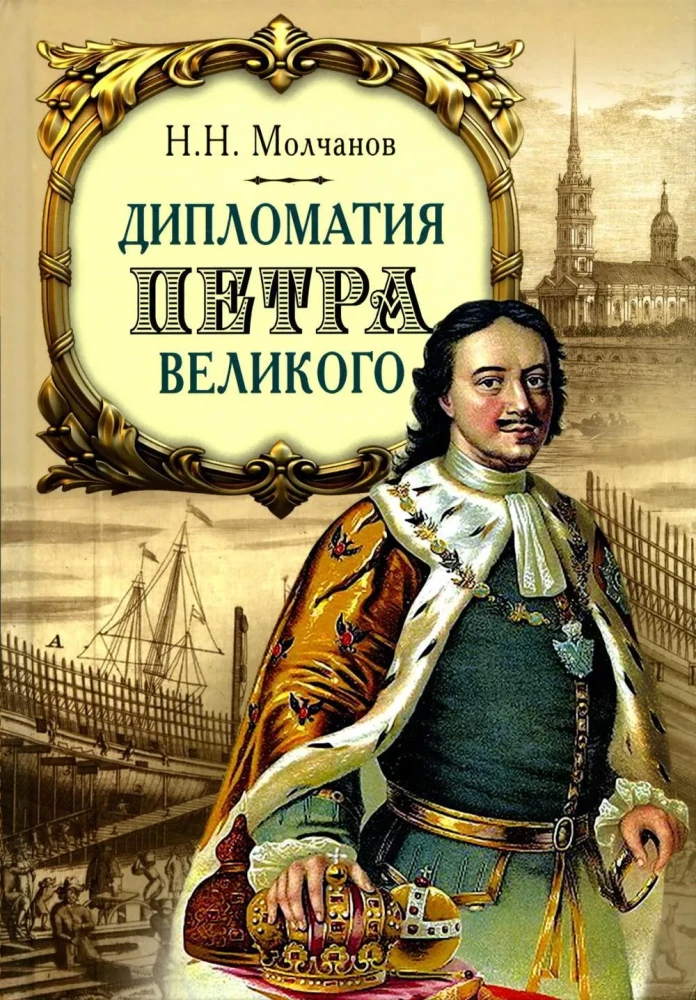
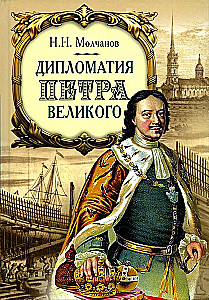
The Diplomacy of Peter the Great
Author: Николай Молчанов
Printhouse: Mezhdunarodnye otnosheniia
Age restrictions: 16+
Year of publication: 2024
ISBN: 9785713317621
Number of pages: 496
Size: 250х170х20 mm
Cover type: hard
Weight: 987 g
ID: 1743755
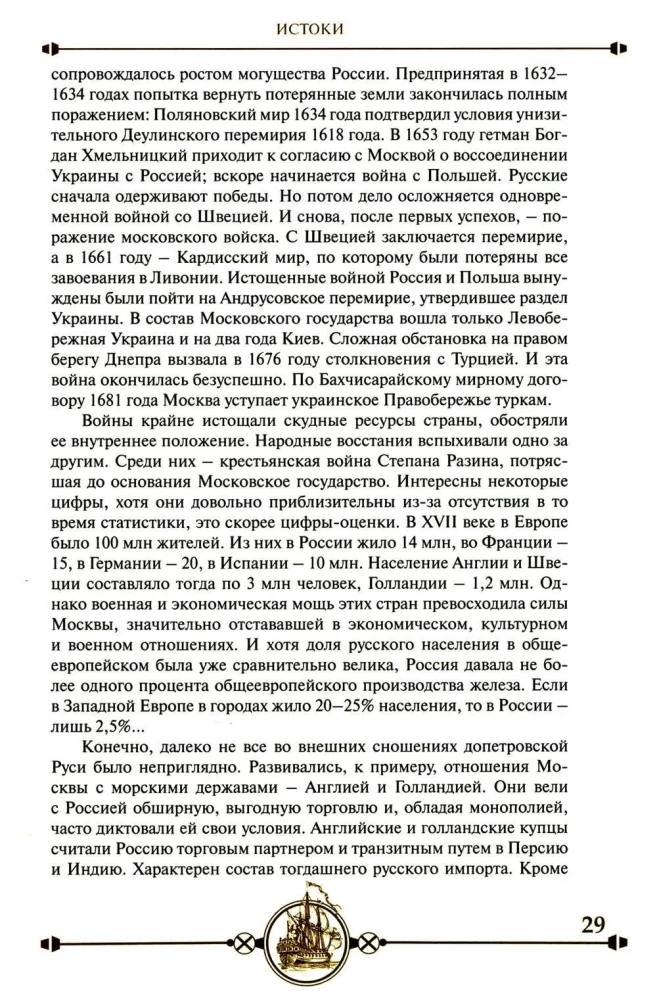
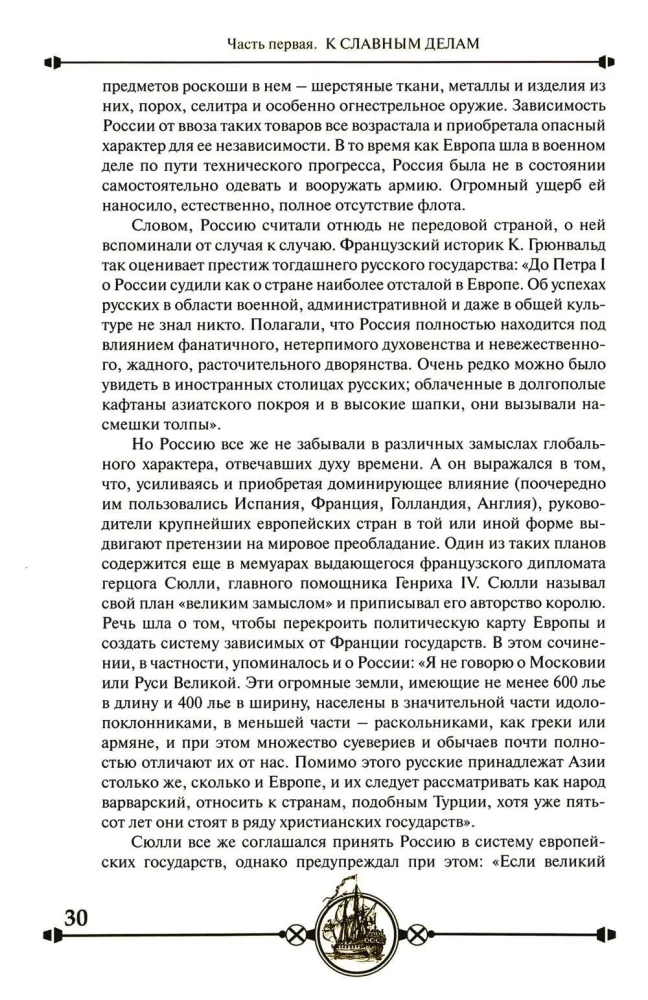
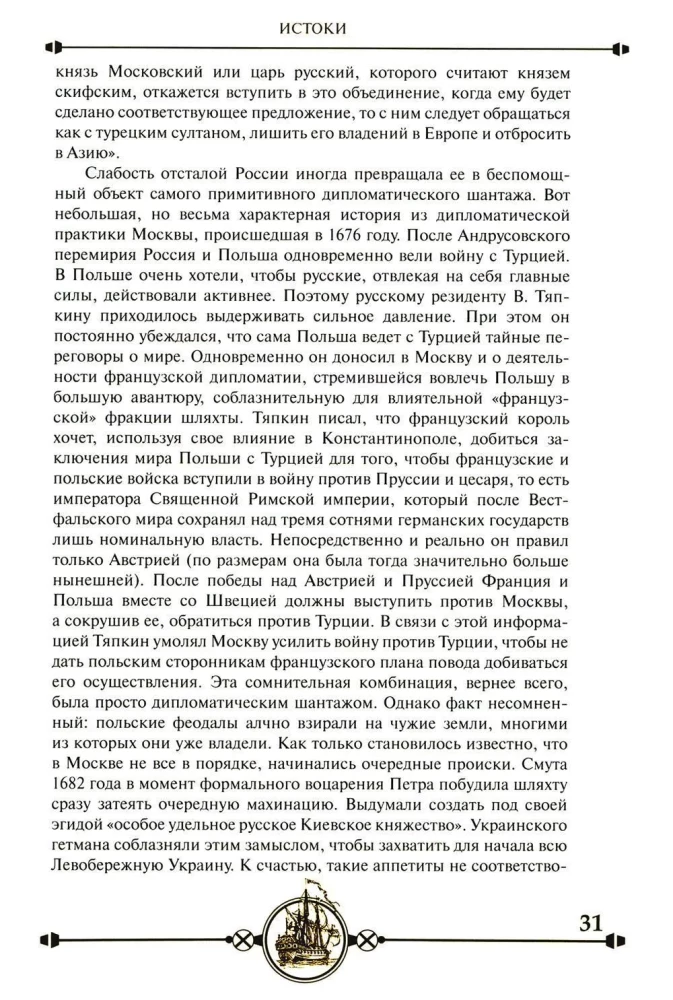
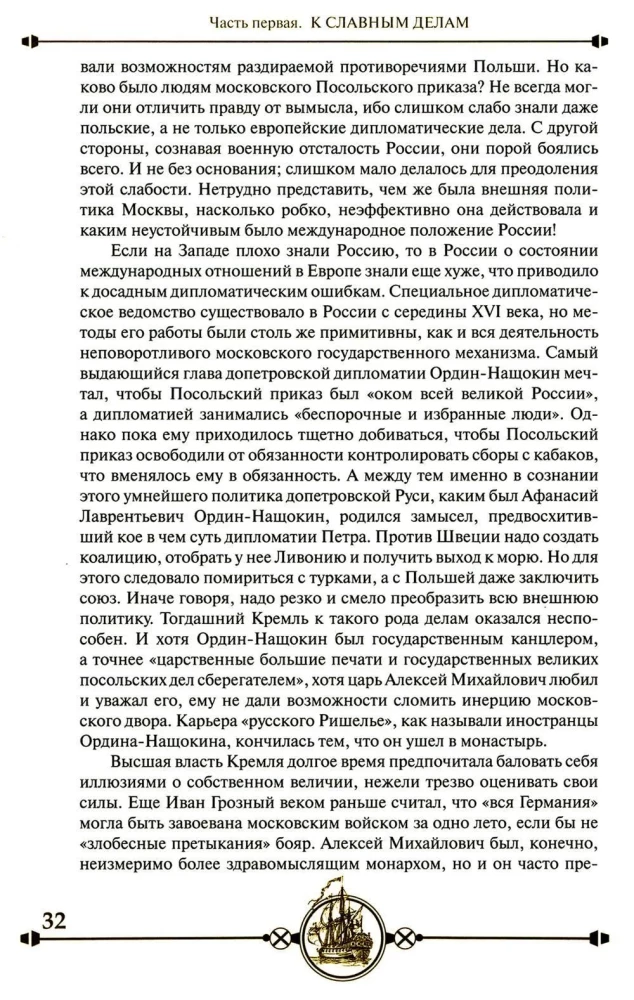
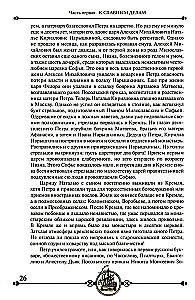
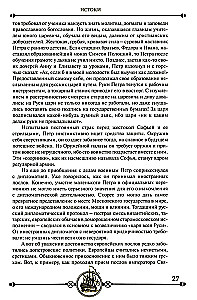
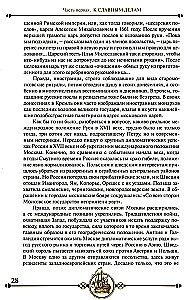
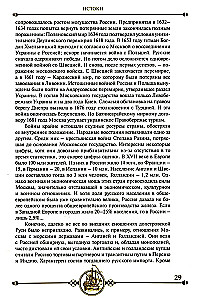
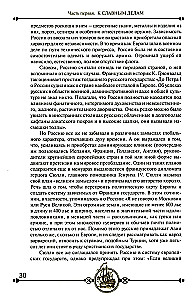
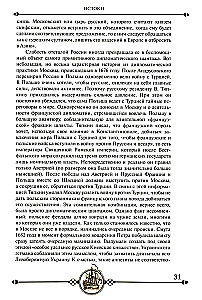
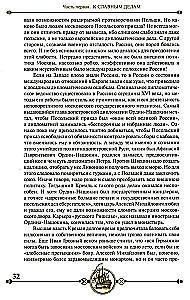
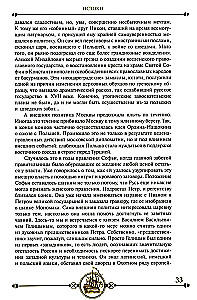
The book by Professor Nikolai Molchanov is a fundamental study of Russia's foreign policy during the era of Peter I. The author demonstrates how diplomacy became a key tool in transforming the country from an isolated power of the 17th century into an active participant in European politics.
What is the book about?
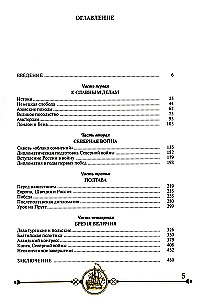
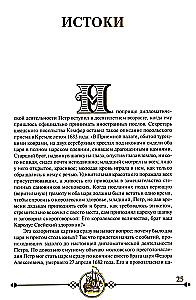
The origins of Peter's diplomacy
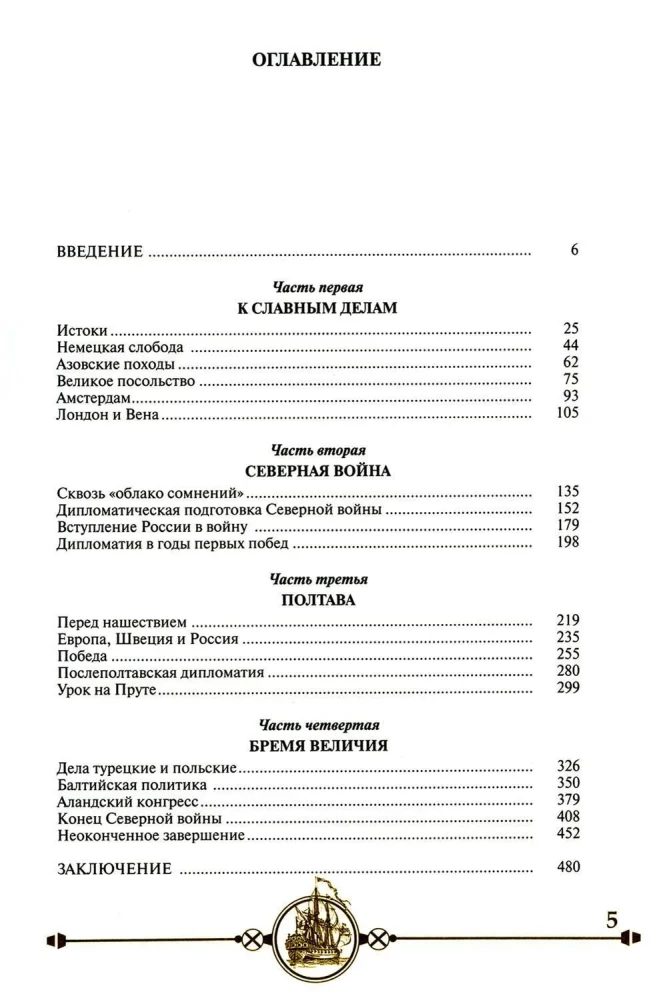
Molchanov traces early influences — the German settlement, initial contacts with Europe, and Peter's growing interest in Western technologies and governance.
- - The Azov campaigns
The author shows how military campaigns against the Ottoman Empire were the first serious test for Russia's new diplomatic line. - - The Grand Embassy
The central episode of the book is Peter's journey to Europe, where he personally studied shipbuilding, industry, and conducted negotiations for alliances. Molchanov emphasizes the dual nature of the mission: enormous technological gains with a weak diplomatic outcome. - - The Northern War
A large section is dedicated to the diplomatic preparations for the war, the search for allies, initial defeats, and subsequent victories, including the Battle of Poltava and its international consequences. - - Post-Poltava Europe
The author analyzes how the victory at Poltava changed the attitudes of European powers towards Russia and how Peter used this moment to strengthen positions in the Baltic. - - The Åland Congress and the conclusion of the war
Molchanov carefully examines the complex negotiations that led to the end of the Northern War and the consolidation of Russia as a great power.
The main idea of the book
Molchanov portrays Peter I not only as a reformer and military leader but primarily as a diplomat who understood:
without international alliances, technological borrowings, and an active foreign policy, Russia would not be able to become a European power.
The book creates a coherent picture of the era — from the first steps towards modernization to the complex negotiations that defined Russia's place in 18th century Europe.
Bestsellers